If you begin to have a fever, malaise, lethargy, headache, sore throat, nasal congestion, or a cough, you may have the flu. Influenza is a segmented, single-stranded RNA virus with an envelope. What does this mean to the general public? The envelope means that the influenza virus is susceptible to disinfectants and detergents, so washing your hands for about 20 seconds is a simple way to prevent the flu. It also means that since the flu is segmented, it is able to rapidly change by reassortment, and it is also highly communicable. Antigenic drift, or when surface proteins on the viroid change, and antigenic shift, the development of a new strain of virus, allow influenza to prevent immunity. The constant change of flu strains means that each year certain strains are going to be more prevalent and cause illness, thus we must come up with new vaccines every year.
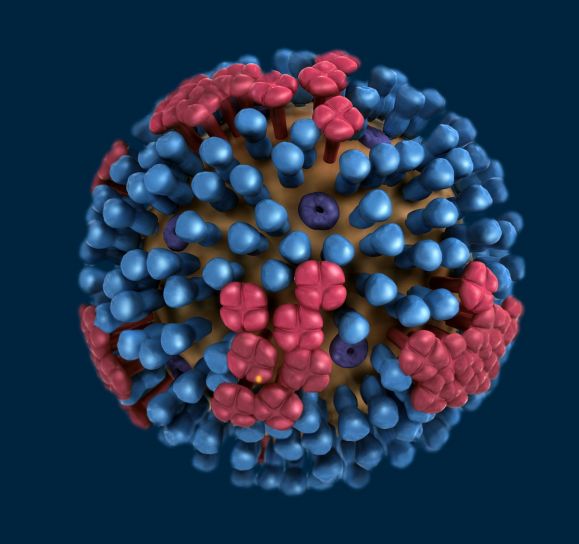
According to the FDA, there are nine different manufacturers that have had flu vaccines released by the FDA for the 2019-2020 season. The FDA recommends that you get a trivalent vaccine that protects against three strains of the flu, or a quadrivalent vaccine that protects against four. The three main strains the FDA believes vaccines should contain on this season are: 1. “an A/Brisbane/02/2018 (H1N1)pdm09-like virus.” 2. “an A/Kansas/14/2017 (H3N2)-like virus.” and 3. “a B/Colorado/06/2017-like virus (B/Victoria lineage).” In the case of the quadrivalent vaccines, the FDA also recommends including a strain of “a B/Phuket/3073/2013-like virus (B/Yamagata lineage).”
The variety of strains included in these vaccines decreases the probability of you getting the flu by protecting against multiple flu viruses. While it is not guaranteed that the vaccine will prevent you from getting the flu, it is known that flu vaccines do not cause influenza. Therefore, I believe you should play it safe and get the vaccine to at least expose yourself to some flu viroids in order to allow your immune system to prepare for the flu if you do contract it. I would say it is better to get the vaccine and not get the flu than to not get the vaccine and die because of the flu or secondary infections caused by the disease. The CDC even estimates that “from October 1, 2019, through February 1, 2020, there have been 12,000 – 30,000 flu deaths.” A large number of these deaths probably occurred in individuals who did not receive an influenza vaccine. The CDC also believes that this year’s vaccine is somewhere between 40%-60% effective. As the vaccines this year are moderately effective, everyone should go get the vaccine in my opinion. The vaccination is quick and affordable, if not free, so there is no reason to not get it, unless you are highly immunocompromised.

 Christian Brewster Microbiology